
What Stresses Reactive Dog Owners Out the Most, According to the Internet
Like many other dog owners, I spend a lot of time reading about dogs and dog training. I scour forums and Facebook groups for insights and discourse on all things dog reactivity and ownership. One thing I noticed is that much of these spaces operate on providing emotional support rather than just simply offering training advice.
With this in mind, I took a closer look at r/reactivedogs on Reddit to find patterns and trends in what stresses reactive dog owners out the most. My findings included embarrassment and shame, restricted lifestyles, fear of never improving, demoralization, and much more. There’s a lot we can learn from these trends and patterns, so let’s dive in:
Top stressors for reactive dog owners
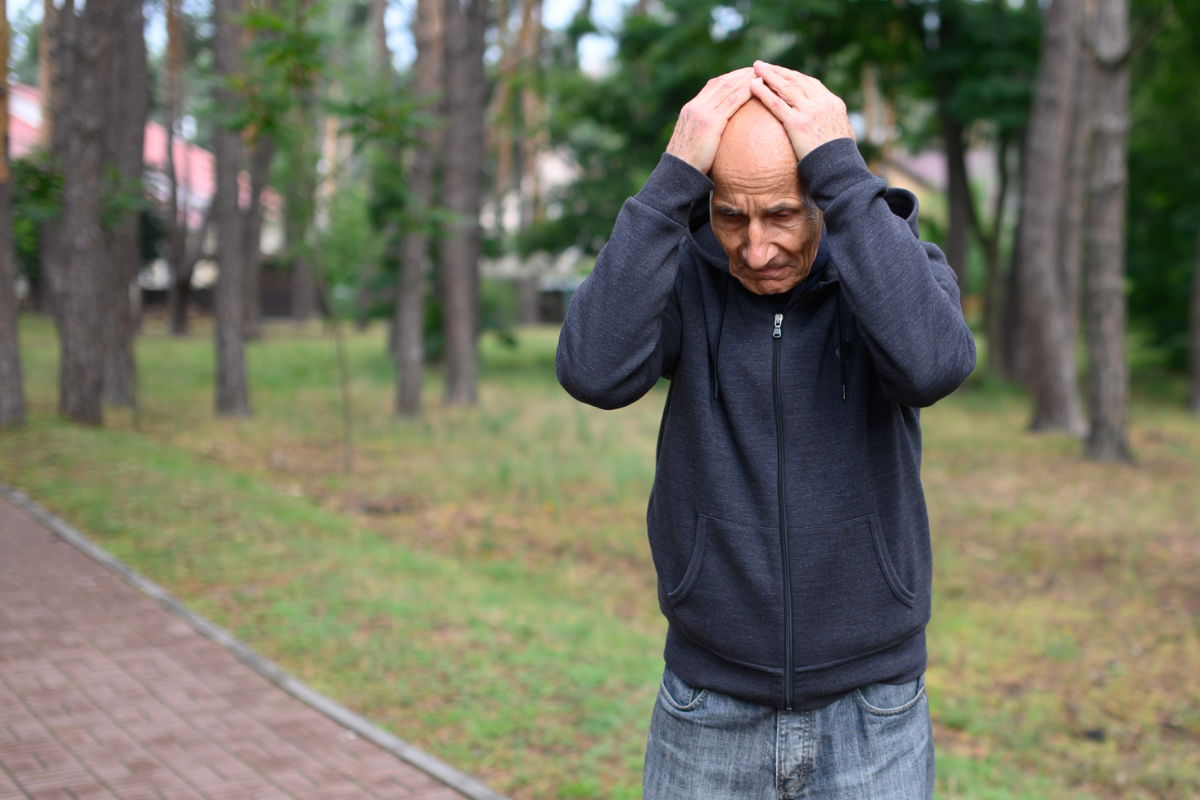
I went through lots of posts across r/reactivedogs and cross referenced these with some Facebook groups and other internet forums on the topic of dog reactivity. But primarily, most of my findings came from the active subreddit, which includes more than 1,000 contributions per week.
There’s no real science here; I merely put together a list of recurring topics, emotions, and frustrations that seem to emerge when people dive into the world of reactive dog training.
Top frustration: Diminished quality of life
One of the most common threads I saw across reactive dog training forums was a frustration about quality of life. Many people expressed some form of feeling like their reactive dog is ruining their life.
The reasons behind this frustration make sense. Owners have to readjust their schedules to walk at non-busy hours or drive to empty parks or fields just to let their dog get some exercise. They can’t have deliveries or maintenance work done because of the stress, let alone invite guests over to their home.
Basically, their life becomes a big attempt to work around their dog’s needs and avoid their triggers.
Judgment and shame
Reactive dog owners often deal with various feelings of judgment and shame. Sometimes they get yelled at in public by other people or dog owners, while other times they may get side-eyed by other people who assume their dog is aggressive or dangerous.
These feelings of shame can often lead to a sense of social isolation. Reactive dog owners can’t hang out casually with other dogs or friends at the park or bring their pup along to happy hour at the brewery.
This can sometimes lead to a negative cycle of shame and anxiety.
Core beliefs that behavior will never improve
Many frustrated reactive dog owners find themselves spiraling about the future at one point or another. Across all forums I scoured, a general fear that not all reactive dogs can get better was frequently present.
This uncertainty adds to the negative shame cycles and can lead to grief about what the owner pictured their life with a dog to look like versus the current life they’re living.
Disdain toward off leash dogs
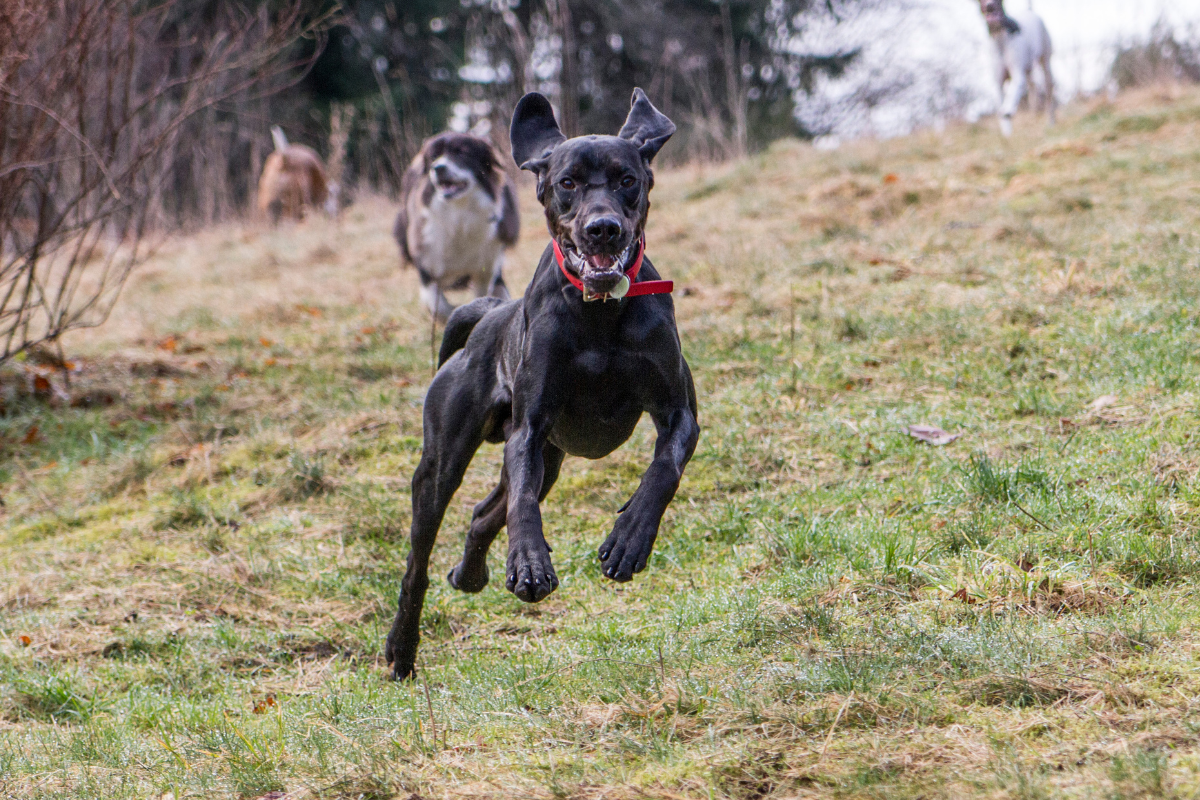
Off leash dogs are a major trigger for many reactive dogs (and their owners). A frustration with off leash dogs and a lack of understanding around dog reactivity is what led me to start this website, after all.
When an off leash dog approaches while you’re walking a reactive dog, the interaction can go sideways fast. A poorly behaved off leash dog can scare and trigger a dog that’s made a lot of progress and even cause some regression. This can be endlessly frustrating for owners just trying to improve their dog’s reactivity.
Across reactive dog support spaces on the internet, one thing is clear: off leash dogs are not well liked or tolerated.
Demoralization
Especially when a dog experiences some regression, owners can quickly feel demoralized. But dog training is rarely linear, and it’s nice to see that many commenters in these spaces are able to comfort and motivate owners, even in stressful situations like regression.
Unfortunately, regression is generally common. A bad incident (such as a negative interaction with an off leash dog) can set training back weeks or even months. It can lead to changes in daily needs or routines. And it often feels entirely out of your control.
Education can empower reactive dog training efforts
If you are one of the many people stressed out by your reactive dog, know you’re not alone. But also know that education, patience, and a willingness to adapt can go a long way when it comes to improving dog reactivity and your general quality of life.
Don’t Worry, He’s Friendly helps reactive dogs in urban spaces thrive. Check out our other articles to learn more.
This content is for educational purposes only and is not a substitute for professional veterinary, behavioral, or training advice.