
6 Reactive Dog Tools for Beginners That Actually Help
When I first adopted my German Shepherd, I put together a little go-bag that covered all the essentials. It included a water bowl, extra bottled water, a bone to distract him, lots of treats, calming medication, and an extra leash and collar. I used to not leave the house without it, but as we’ve trained more, I feel comfortable leaving most of these items behind.
Still, a tool kit can change the game, especially when you’re working on behavior. Reactive dog tools for beginners may include harnesses, calming medication, a muzzle, treats, a whistle, and many other portable items.
If you’re working to desensitize a reactive dog, you’re probably also inundated with information. Deciding what products might actually help your dog can be overwhelming and frustrating, especially in a sea of products marketed toward frustrated dog owners.
This list won’t cover any specific brands or make any final calls on what you should or shouldn’t purchase. Instead, it’s here to give you a general idea of what reactive dog training resources and tools are out there so you can make informed decisions that suit you and your furry friend.
Let’s dive in:
Fanny pack or small backpack
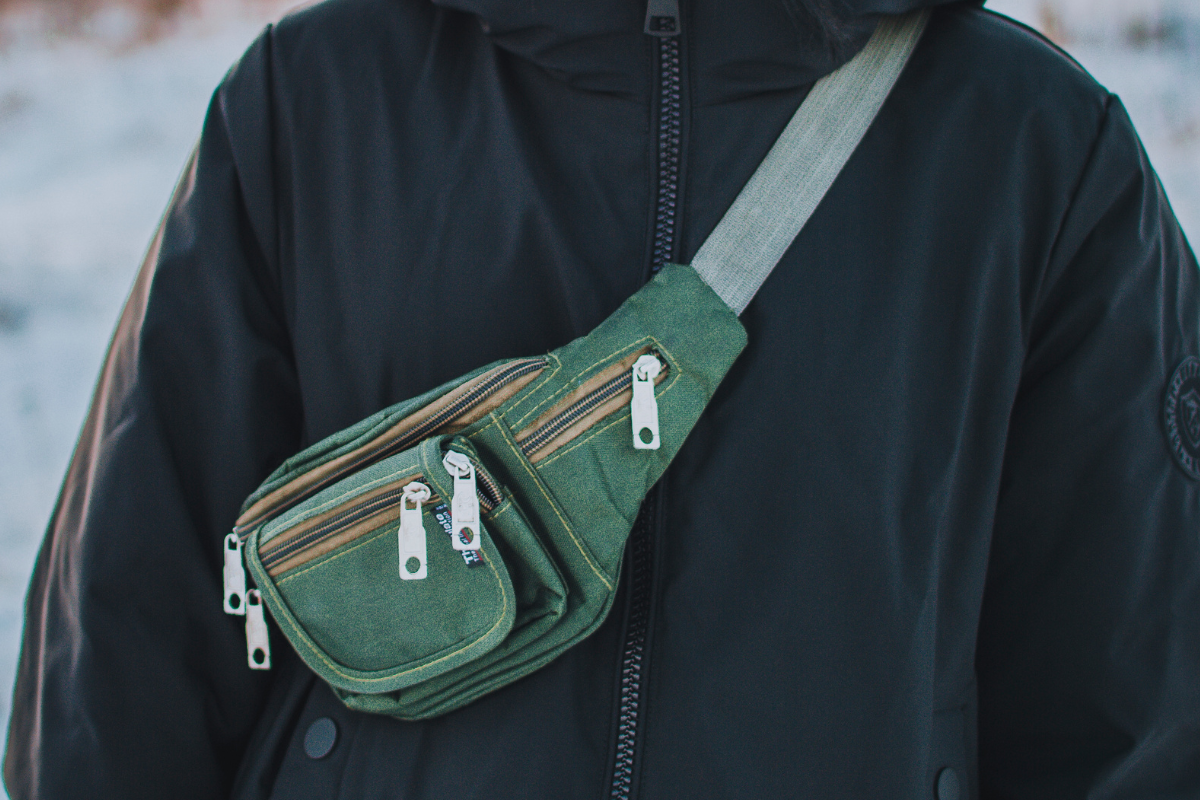
As I mentioned earlier, a small go-bag can be a game changer for leaving the house with a reactive dog. Fill it with all the things you need for your dog’s success, such as treats, water, calming medication, a favorite toy, and anything else (including items listed below) that can make you feel more confident leaving the house.
Feeling confident as you leave the house with your reactive dog is important for success. The psychological aspect is important. When you feel like your reactive dog is ruining your life and your walk is going to be hell, it’s already off to a bad start. If you leave the house feeling prepared, you put yourself in a better mindset that will help you and your dog succeed.
Clicker
Not everyone enjoys using a clicker for training their reactive dog, but I think they can be extremely effective when done right. The basic principle is simple: Pavlov your dog to associate the click with a high-value treat. Once your dog associates the click with the reward, you can use the click itself to promote the behavior you want.
Clickers are great because they allow for precision. The very second your dog behaves correctly, you can click to validate the behavior. It’s a great way to help your dog pick up commands quickly and easily understand what behavior you’re asking for.
Plus, they’re tiny! They can easily fit in a go-back or you can buy a few to keep in handy places around the house and car.
High-value treats

High-value treats may not technically be considered gear, but they’re more of an investment that your everyday dog treats and should not be left out of your reactive dog training regimen.
As Jennifer Schneider, MSp, owner & founder ofPick of the Litter Dog Training told us in an article about reactive dog training mistakes, high-value treats are essential for many reactive dogs.
A good high-value treat will catch your dog’s attention even in high-distraction situations. They should smell and taste stronger than the treats you use in everyday situations to better capture your dog’s attention.
Good options include freeze-dried meats, hot dogs, and cheese sticks.
Extra long leash
I only like using an extra long leash for one crucial activity: recall training. My dog’s recall was trash when I first got him but it didn’t take long to teach him to come back each and every time I called his name.
We worked on his recall throughout the day in our yard, but an extra long leash really took the practice to the next level. We’d go to the beach, park, or any other place with distractions that called his name. And we’d practice the “come” command over and over and over. Now, his recall is great.
Extra long leashes are good for giving your dog a little more freedom to explore in open spaces. You can still keep a good hold on your dog and bring them in if another dog appears, but you don’t have to stay constricted to a short leash if your dog wants a bit more of an adventure. However, they shouldn’t be used on daily walks or for everyday activities.
Stimulating puzzle or durable toys
Before addressing your reactive dog’s unwanted behaviors, make sure you’re actually meeting their daily exercise and mental needs. If your dog’s reactivity is rooted in anxiety, they may benefit from mentally stimulating toys.
My German Shepherd loves to spend time licking and digging his way toward a treat in a KONG or other hidden-treat toy. I’ll sometimes fill an empty cardboard box with treats and then put that box in another box and let him work to get the treats out. The point is to give him a challenge with a worthwhile reward. This mental stimulation does wonders for tiring him out, too.
There are plenty of puzzle toys on the market. The key is to find one that is not too challenging so that your dog immediately gives up, but isn’t so easy that your dog immediately solves it. The longer it can hold your pup’s attention, the better.
Calming medication
Some dogs get prescribed medication to ease their anxiety. Meanwhile, some owners invest in different herbal supplements formulated to calm dogs, such as CBD, chamomile, or valerian root.
Before giving your dog an over-the-counter calming supplement, it’s a good idea to speak with your vet. They can let you know if there are any medical concerns that may be causing the reactivity or anxiety and let you know what supplements are safe to try.
When I adopted my dog, he was on a high dose of multiple medications. I weaned him off all of them and he now takes a prescription anti-anxiety medication when needed (very rarely, maybe a few times a year).
Calming medication can help reactive dogs face their fears and overcome anxieties in a more appropriate manner, when used as directed.
The best tool of all: knowledge
Looking for more reactive dog training tips and resources? We have you covered. We help reactive dogs in urban spaces thrive through owner education. Check out ourother blogs to learn more about reactive dog training.
Written by: Macey Wolfer
Macey Wolfer is a freelance writer from Seattle. She wants to see more confident dogs and owners with a lower rate of shelter surrenders.
This content is for educational purposes only and is not a substitute for professional veterinary, behavioral, or training advice.