
Reactive Dog Training Mistakes to Avoid, According to a Professional Trainer
Training a reactive dog can be a serious challenge, even for those who have spent their whole lives with furry friends. If you’re working on your dog’s behavior and find yourself frustrated or stuck, it’s a good time to take a step back and look at your strategy to ensure you’re not making any reactive dog training mistakes.
Key mistakes in reactive dog training include failing to leave enough distance between your dog and its trigger, using low-value treats and rewards, and waiting for a reaction before the training begins, according to Jennifer Schneider, MSp, owner & founder of Pick of the Litter Dog Training in South King County, Washington.
I reached out to Schneider for some insight because she has more than 25 years of experience with an emphasis on fear, reactivity, aggression, and other complex behaviors. This hands-on experience, plus a Bachelor’s in Psychology/Animal Behavior, a Master’s in Animal Science and Behavior, and several other credentials make her a great source of information regarding reactive dog training.
So let’s dive in:
Reactive dog training mistake #1: Not enough distance
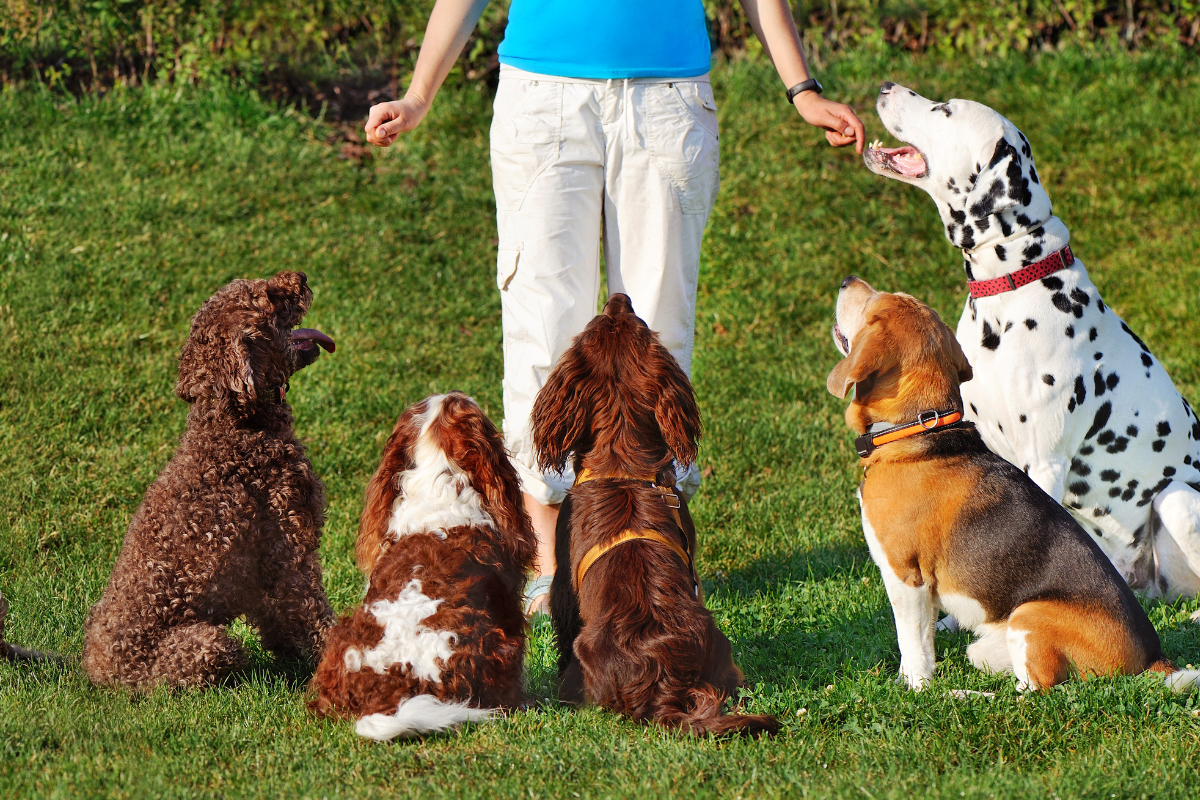
“One of the biggest mistakes people make is working too close to the trigger. When a reactive dog is too close to another dog, person, or environmental trigger, they often cannot think clearly enough to learn. Instead of remaining calm, they become overwhelmed and reactive,” explains Schneider.
So how can you desensitize a reactive dog if you need to keep a good distance from the trigger?
“Start farther away than you think you need to,” says Schneider. “Your dog should be able to notice the trigger without barking, lunging, or fixating. If your dog is reacting, you are too close. Distance is not avoiding the problem. It is creating a learning environment where your dog can succeed.”
Those final lines can go a long way for reactive dog training. One more time: “Distance is not avoiding the problem. It is creating a learning environment where your dog can succeed.”
Reactive dog training mistake #2: Low-value treats
When training your dog, it’s key to know the difference between and the best uses for low-value and high-value treats.
Low-value treats are for everyday situations where your dog is set up for success. They’re typically less pungent and flavorful than their high-value counterparts. Think dry kibble vs. a juicy hotdog. You can use a low-value treat for everyday, calm cases like practicing tricks your dog already knows in the comfort of your home.
High-value treats, on the other hand, are for intense, heavily distracting situations. They smell better, taste better, and can capture your dog’s attention better than a dry piece of kibble. Think hot dogs, cheese sticks, or freeze-dried meats. These are great for stressful situations like busy stimulating walks or a dreaded visit to the vet.
And according to Schneider, reactive dog training typically requires high-value treats.
“Dry biscuits or everyday kibble often are not powerful enough when working around difficult triggers. Reactive dogs are competing with fear, excitement, or frustration,” she explains.
“Use highly valuable rewards during training sessions. Soft, smelly treats such as chicken, cheese, hot dogs, or freeze-dried meat are often much more effective. The harder the situation is for your dog, the more valuable the reinforcement should be.”
Reactive dog training mistake #3: Only training once a reaction occurs
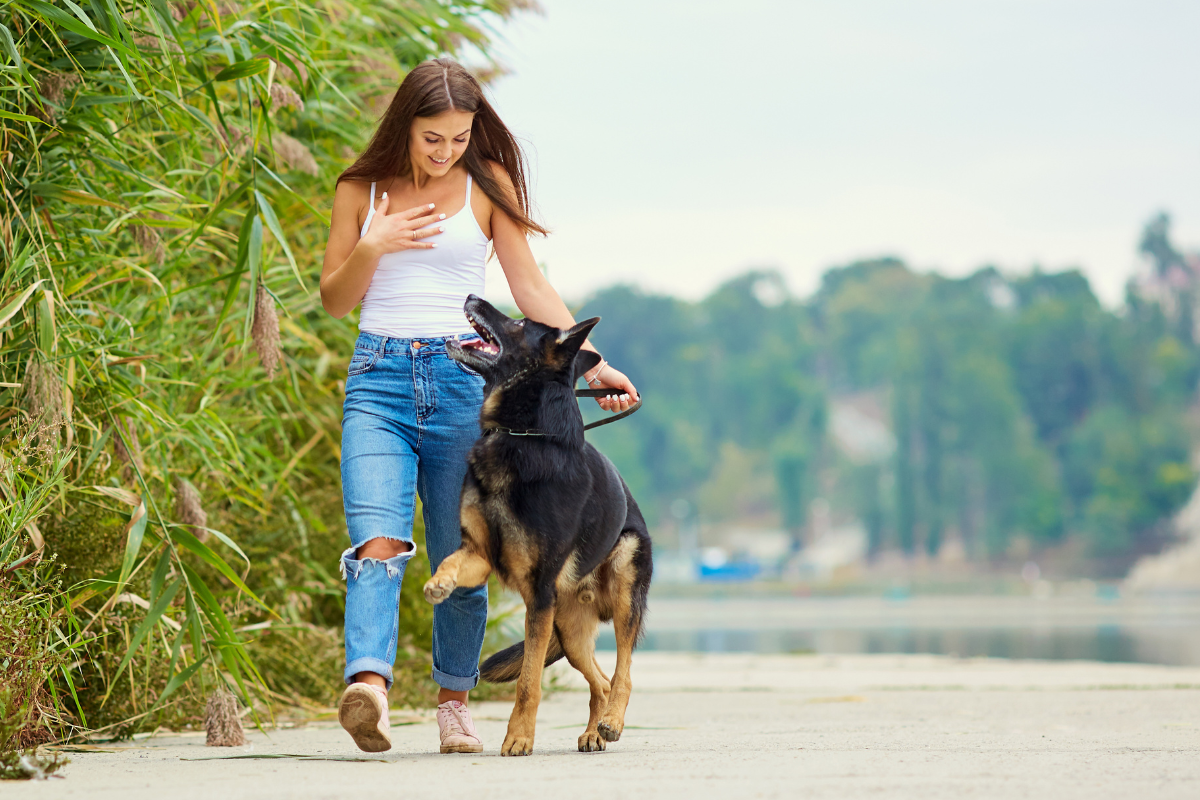
Some reactive dog owners don’t realize that walks and outings are complete training opportunities. You don’t need to wait for a reaction to start training. In fact, that often causes more problems than it solves.
Schneider says that waiting for a reaction before you start training can be detrimental to the overall process. “Many people only begin working once the dog is already barking, lunging, or over threshold. At that point, learning becomes much more difficult.”
If that sounds like you, don't worry. Now is a great time to pivot your training technique to see meaningful results.
“Start training before the reaction happens,” suggests Schneider. “Reinforce calm behavior the moment your dog notices the trigger. Watch for early signs such as staring, body stiffening, closed mouth, slowing down, or ears shifting forward. Early intervention helps prevent escalation and teaches your dog that calm behavior is rewarding.”
Takeaways from an expert dog trainer
With these three reactive dog training mistakes in mind, you can work toward a better regimen with your dog. Remember:
“Distance is not avoiding the problem”
“The harder the situation is for your dog, the more valuable the reinforcement should be.”
“Early intervention helps prevent escalation and teaches your dog that calm behavior is rewarding.”
If you feel like your reactive dog is ruining your life, it’s a good time to take a step back, take a deep breath, and see where you can improve your strategy. Check if you’re making any of the common reactive dog training mistakes and work toward better processes.
Whether you’re dealing with a new reactive rescue dog or just trying to get your dog’s behavior in check, we know it can be a long and difficult road. Patience and understanding is key.
Don’t Worry, He’s Friendly is one of the worst things a reactive dog owner can hear from others. DWHF is here to help. We help reactive dogs in urban spaces thrive. Check out our other blogs to learn more about reactive dog training.
Written by: Macey Wolfer
Macey Wolfer is a freelance writer from Seattle. She wants to see more confident dogs and owners with a lower rate of shelter surrenders.
This content is for educational purposes only and is not a substitute for professional veterinary, behavioral, or training advice.