
Should I Adopt a Reactive Dog? Experts Share Their Advice

Adopting a dog is a big decision, one that affects your life and the life of another creature. It should never be taken lightly. But looking at adoptable dogs at the shelter doesn't always give the best picture of what your life might look like with your new dog. Behavior can change drastically once the dog has settled into a new and comfortable home setting.
Wondering if you should adopt a reactive dog? Make sure you have time, patience, and a willingness to learn. You’ll also need a willingness to adjust your lifestyle and enlist professional help, if needed. And if the dog has known triggers to other pets or children, your household should be free of them.
Defining a reactive dog
Reactivity in dogs can vary from barking and lunging and over excitement to nipping, hyperfixation, and whining, among other behaviors. But it's important to keep in mind that reactivity is a reaction to something triggering the dog and the environment. It doesn't come out of nowhere. And in most cases, reactive dog behavior can always get better.
Sometimes, reactive behavior stems from a medical condition. It's important to rule this possibility out when dealing with a reactive dog.
If you're considering adopting a reactive dog, and you've been told that the dog is reactive, you have a great opportunity to learn more from the person or shelter who has been housing the dog. Don't be afraid to ask questions regarding triggers or anything they've noticed about the dog's behavior. The more you know, the more equipped you will be to work with your potential new dog.
But shelters rarely have a ton of background information about adoptable dogs. They may evaluate them for immediate health concerns and then put most of their focus on helping the dog get out of the shelter and into a loving home. They might not know whether the dog is safe with other pets, children, or people. In these cases, it's important to have honest conversations with the shelter staff, ask as many questions as possible, and use your best judgment. You should also request any materials and guidance to help you make safe introductions to other household members.
Who should adopt a reactive dog?

Before I get too deep into it, I want to emphasize that I am never in the business of talking someone out of adopting a pet. Most pets will live happier lives outside of a shelter than they can inside the shelter. But sometimes, people adopt animals that they are not prepared to properly care for, leading to dangerous outcomes for everyone, including the pet. Unfortunately, this can lead to shelter surrenders or even abandonment elsewhere. That's why I think it's important for potential adoptees to understand the ins and outs of adopting a reactive dog.
Here’s what you need:
Time, patience, and willingness to learn
“A good candidate is someone who is realistic about what they are signing up for and willing to put in the work. Reactive dogs need structure, clear boundaries, consistent training, and an owner who can stay calm and follow through when things get difficult,” explained Dion Studinski, founder of Ancillary K9 Dog Training. “You do not necessarily need to be an experienced dog owner, but you do need to be willing to learn and commit to the dog's success. Patience matters, but consistency matters even more.”
If you have an incredibly busy life and can't imagine yourself dedicating time and energy into learning and working together with your dog, you might not be a good candidate to adopt a reactive dog. It's important to be realistic with yourself about the time you are able to commit to this new family member.
“The most successful adopters are usually people who understand that this may not be a dog they can take everywhere right away,” explained Amber Batteiger, veterinary technician and PR and communications manager at Embrace Pet Insurance. “They're willing to learn about the dog's triggers, put management strategies in place, and celebrate small wins. More than anything, they understand that building confidence and trust takes time.”
Openness to professional help
“If you are adopting a dog with known reactivity or aggression, I would make sure you have the budget for professional dog training,” advised Studinski. “Your dog's success can depend on a trainer who works specifically with aggression and reactivity and knows how to safely rehabilitate these behaviors. The right trainer can completely transform your dog, build a bond of trust between dog and owner, give you the tools to confidently handle them, and ensure the training lasts a lifetime.”
Willingness to adjust lifestyle
Bringing any new pet into the home is going to change the household dynamic. But for reactive dogs, owners may need to make several lifestyle changes for success.
“You may have to walk at quieter times, skip the dog park, manage guests coming into your home, be more selective about boarding and dog sitters, or leave your dog at home when everyone else is bringing theirs,” explained Studinski.
This can be incredibly difficult for some people. If you pictured a perfect life with your new dog by your side everywhere you go, you might have to let that image go. It’s important to understand that reactive dog ownership comes with an emotional toll. If you’re not prepared to cope with the different emotional aspects and adjust your lifestyle, you may find yourself frustrated and disappointed.
The right household
If a reactive dog is known to not work well with children and you have children in the home, it's not a good fit. Likewise, if a reactive dog is known to not get along well with other dogs or cats and you have other cats or dogs in the home, you should not adopt the dog.
“That doesn't mean every reactive dog needs to live alone, but adding complex household dynamics to an already challenging behavioral situation can make rehabilitation much harder,” said Studinski.
How to talk to shelter staff about adopting a reactive dog
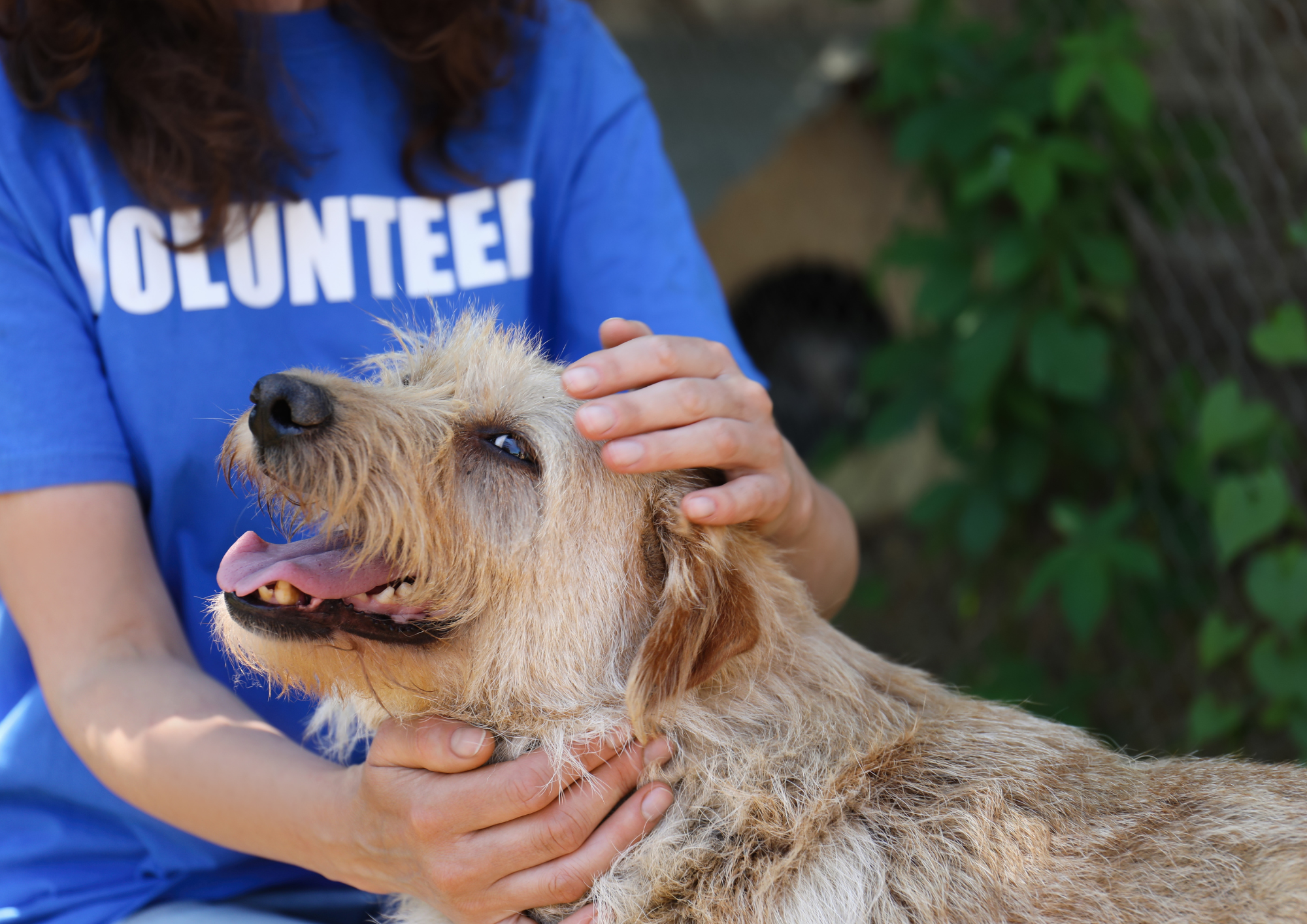
In an ideal world, a shelter can tell you everything you need to know about your potential new dog. But that’s not reality.
“Every shelter and rescue has different resources, staffing, foster networks, policies, and communities. There is also a larger capacity issue: more dogs need homes than there are available adopters and foster homes, while dogs continue entering the population through breeders, family pets having litters, and other sources. Organizations must make difficult decisions with limited resources,” explained Leah Bornstein, CDBC, VSA-CDT, FFCP, CSAT, and founder of Born to Be Dog Training.
It’s worth asking if foster-to-adopt is an option, so you can experience life with a potential new dog before making a full commitment. Even if you don’t end up committing to the dog, you will have provided the dog with some time away from the shelter and potentially offered new insight into the dog’s needs. Keep in mind that it takes a long time for dogs to adjust to a new home, so even if you bring home a foster dog as a trial, you shouldn’t expect the dog to immediately settle in.
You can also ask if the shelter offers post-adoption support or can provide training referrals, too.
“I encourage people to ask questions and be honest about their lifestyle. If you have young children, frequent visitors, other pets, or a very busy or chaotic schedule, it's important to discuss those realities upfront. The more transparent everyone is, the better the match tends to be,” added Batteiger.
What to do if you adopted a reactive dog and are feeling overwhelmed
“Bringing home a dog is a major adjustment, especially when unexpected behaviors emerge. Rather than trying to fix everything at once, focus on making daily life safer and more manageable. Give the dog space from difficult situations and make small environmental or routine changes to prevent problems from escalating,” advised Bornstein.
Don’t lose sight of the fact that adopting a new dog is always going to come with an adjustment period. It’s new. It’s different. And it’s going to take some time to find what works and doesn’t work.
“One of the biggest things I remind people of is the 3-3-3 Rule,” explained Batteiger. “While every dog is different, many dogs need about three days to decompress, three weeks to start settling into a routine, and three months to truly feel at home. What you see in those first few days is often not an accurate picture of who that dog will be once they feel safe and comfortable.”
But if you’re feeling apprehensive about certain behaviors or believe you need extra help, don’t put it off.
“One of the biggest mistakes people make is waiting until they are completely overwhelmed or the behavior has escalated before contacting a trainer. In most cases, reactivity and aggression can be improved, and dogs can make incredible progress with the right training and structure,” said Studinski. “In the meantime, be honest about the dog you have in front of you, and avoid situations you cannot safely control. Busy patios, dog parks, crowded trails, or forced interactions may have to be avoided until you're confident your dog can handle them. Slow things down, establish clear expectations at home, and start working with a trainer who has real experience rehabilitating reactive and aggressive dogs.”
Learn more about reactive dog training
Don’t Worry, He’s Friendly is a reactive dog training resource filled with expert-backed articles to help you and your dog succeed. Check out our other articles to learn more about reactive dog training.
Written by: Macey Wolfer
Macey Wolfer is a freelance writer from Seattle. She wants to see more confident dogs and owners with a lower rate of shelter surrenders.
This content is for educational purposes only and is not a substitute for professional veterinary, behavioral, or training advice.