
How to Cope with the Emotional Toll of Owning a Reactive Dog
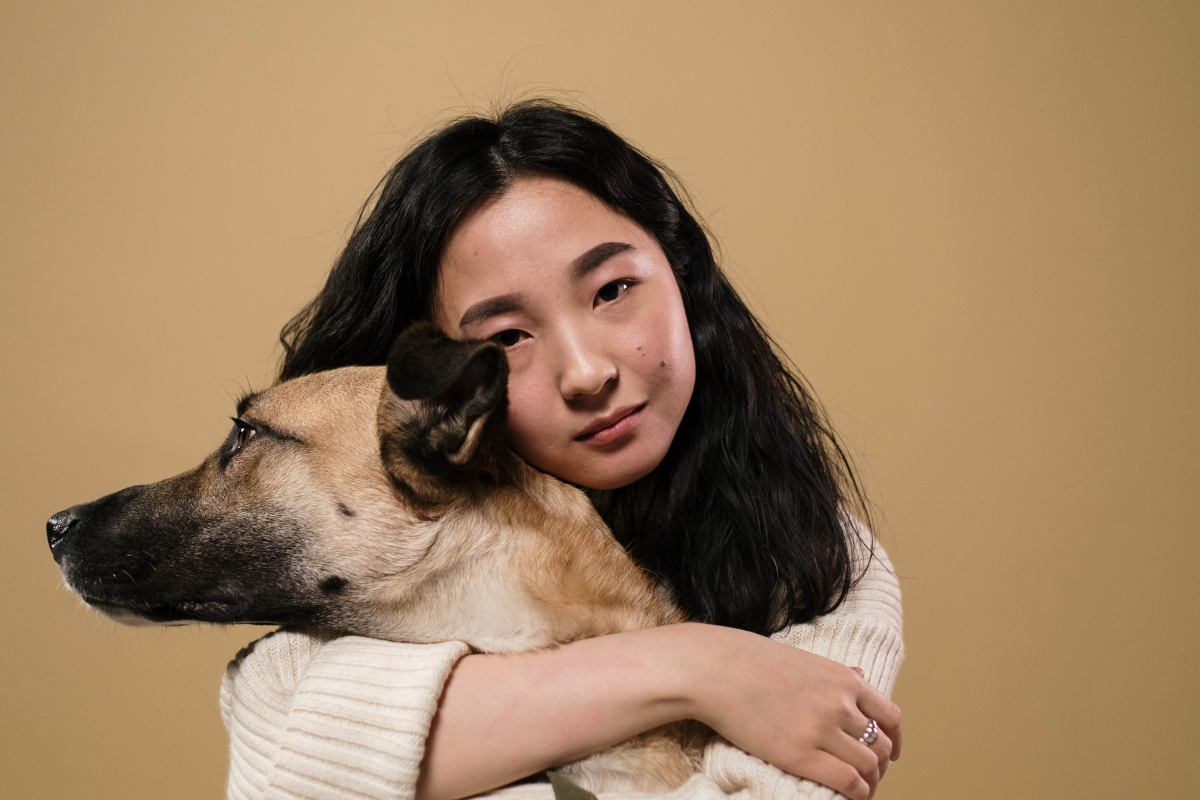
As much joy as dogs bring to our lives, we sometimes overlook the other emotions that can come with ownership. Stress, frustration, and anxiety are common, along with even more intense feelings like shame, guilt, and grief among others. If you have a reactive dog, you may be experiencing a combination of some, all, or even more emotions. For those looking to find ways to cope with the emotional toll of owning a reactive dog, you’ve come to the right place.
Coping with the emotional toll of owning a reactive dog involves understanding what you’re feeling, accepting the situation, riding the waves of grief and other emotions, setting boundaries and parameters, and treating yourself gently with regular breaks.
While dealing with a reactive dog can be a serious undertaking, it doesn’t have to rule or ruin your life. To get a better understanding of how dog owners can cope with the emotions and stress of owning a reactive dog, I spoke with several mental health experts about handling the sometimes intense emotions and building a better toolkit to help you move forward with your beloved pet.
How owning a reactive dog can impact your mental health

“It deeply touches a part of all of us that just wants to do well and belong. We take it as: ‘I am not a good dog parent, therefore I am not good.”
A key step in managing the emotional toll of owning a reactive dog is acceptance. Acknowledging that you are impacted by the situation rather than resorting to denial or defensiveness can help you move forward in a positive way.
“Training your reactive dog is mentally draining due to ongoing anxiety in contrast to periodic bursts of anxiety. Owners may become ‘on edge’ when walking their dogs, worry about what others will think of them or their dog's reaction to other dogs and people, or self-blame for their dog's reactions. All these actions over time create feelings of shame, guilt, separation from society, and possibly cause owners to avoid activities they used to enjoy,” explained Stephanie Lewis, MSW, LCSW, LICSW, CCTP, C-DBT. She is the VP of Clinical Operations of Epiphany Wellness, a network of addiction & mental health treatment centers.
That ‘on edge’ sentiment is one I heard from most of the experts, including Erin Gardner-Flores, LCSW, an EMDR therapist in Groton, CT. According to Gardner-Flores, who also owns an anxious goldendoodle, dog reactivity can “trigger feelings of embarrassment and shame about not being a good enough pet owner. It also triggers the need to be hyper-aware of what's happening in or around the house. That level of hypervigilance can be exhausting, and make it hard to enjoy your pet or your company.”
Nikki Schuster is a BACP-accredited psychotherapist and the chief executive at Renew Counseling and Training. She also currently owns a reactive dog. Schuster said she was in complete shock when she discovered her dog was reactive and redirecting onto her. While she didn’t feel guilt or shame, she felt frustration and realized she was exhibiting something else.
“Having experienced several quite challenging outbursts, I found that I was showing a trauma response. I felt conflicted because my dog clearly was attached to me, incredibly loving and attached when he wasn't having outbursts.”
Kennedy Sanchez, MA, LMHC, EMDR-certified therapist, CFRC therapist, and owner of Solace Cactus, PLLC expanded on what’s happening behind the scenes.
“Our brains are hardwired to respond to threats just like dogs brains are, that is why it is innate in us to react with frustration, guilt, and shame,” she explained. “We take it as a personal attack on our character when our dog doesn't respond to the training we've given them…We begin to feel fearful of being judged or misperceived by others as a ‘bad owner’ for our dog’s behavior, when it might just be because we don't fully understand why they do what they do or speak the same language. It deeply touches a part of all of us that just wants to do well and belong. We take it as: ‘I am not a good dog parent, therefore I am not good.’”
How reactive dog owners can cope with the emotional toll of their dog’s reactivity

Once you have a better understanding of how your reactive dog’s behavior impacts your own mental wellbeing, you can take steps to mitigate the stress and regulate your nervous system. For many, that starts with a breath.
“Prior to a walk or training session, take some deep breaths, set reasonable expectations, and concentrate on one small accomplishment versus having the perfect day. A dog senses everything through its owner's body language and emotional state. Therefore, approach training with patience and consistency, which usually produces better results than acting out of anger,” explained Lewis.
Gardner-Flores emphasized the importance of reasonable expectations. In order to avoid acting out of anger or frustration, assess your mental state before heading out to spend time with your dog.
“Going into situations with reasonable expectations can go a long way. If you know that you are too exhausted to manage your dog's behavior on a leash one day, give yourself permission to leave her at home when you go for a walk or for an outing for a few hours,” Gardner-Flores recommended.
Sanchez shared how to take a deeper assessment of your emotional state and better understand where your feelings–whether they’re shame, guilt, frustration or others–are coming from.
“The first step is addressing exactly what you are feeling: Is it grief, loss, disappointment? Then, addressing where this feeling originated within your life. Once we can locate its origin, we can begin to process the impact that event had on you in your life and why it’s so important for you today while training your dog.” Sanchez explained. “You might begin to realize, (for example) what does that bully in 5th grade have to do with reeling in my dog’s behavior? It may just be that you internalized the need to be in control as a necessary component to your sense of safety or belonging and needed to have success to avoid being bullied again to survive.”
While examining your past and the origins of your feelings may not feel relevant to all reactive dog owners, it can be a useful tool to better understand yourself. If you’re surprised about your strong reactions related to your dog’s behavior, it may be worth exploring the deeper connections.
“When your dog doesn’t behave, it contradicts that very need that you interpreted for your survival. Some skills to help remind yourself of being in the present moment and not in your 5th grade self, is to literally remind yourself that the event from your past is different than this experience of dog training, that you are different, older, and wiser now. You can regulate your own nervous system by taking charge of your emotions through breath work, bilateral tapping, and present-moment awareness exercises. You can also learn these skills with a trusted licensed mental health counselor licensed in your state,” added Sanchez.
How to move forward with your reactive dog
“We, as a family, had to make the commitment to keep people (and him) safe, when we decided to keep him, understanding our responsibility in doing so.”
You may have imagined a perfect life with a dog before bringing home your reactive pup. Allow yourself time to grieve that once-imagined future before moving forward and looking at ways you can still live a meaningful, fun life with your dog.
“I dreamed of having a calm, compliant dog I could bring everywhere when I adopted my doodle, Louie,” recalled Gardner-Flores. “Despite training classes, no pull leashes and bribing her with food, she still barked and pulled at strangers when we brought her in public. This left me feeling annoyed with her, and upset with myself for not being a good enough dog mom. Once I accepted that Louie is not a people dog and I focused our quality time together at home, I found that I was able to appreciate her for the loving, goofy dog she is when she feels comfortable and safe.”
For Schuster, who has had dogs her whole life, focusing on a commitment to her dog’s safety and setting boundaries and parameters to work with makes all the difference. It doesn’t erase the other feelings, but it makes them more manageable.
“The grief hits different. The truth of having a dog you can't trust is that you cannot live your life how you used to. I am sad that I cannot have him unsupervised around my grandchildren, that when people come into my house they cannot engage with him without coming for a number of times. I am sad that every time people go to touch him, I am on alert. So I cannot relax with visitors in my home,” she said. “We, as a family, had to make the commitment to keep people (and him) safe, when we decided to keep him, understanding our responsibility in doing so. That means, putting safety measures in place, ensuring they work and then working around that. Do not sacrifice seeing people or spending time with loved ones. Be clear on what you are prepared to give up and what you are not. Once you know your boundaries, then plan how to manage your dog within those parameters.”
For Sanchez, a dog owner who relates to the grief of a once-imagined life before reactivity came into the picture, the emphasis is on acceptance, feeling your feelings, and self-compassion.
“What I know through my own experience and expertise is that grief is meant to be felt and acknowledged. Grief comes in waves (some bigger than others) and must be rode with gentleness and compassion. Acceptance of your current reality will slowly make its way in as you attempt to not control the experience of grief. Try to remind yourself that you are not alone, even a therapist (me) who studied how trauma affects the neural networks of the brain struggles to get my dog to not react. Your dog is reacting out of an innate threat response system important for survival, (relatable right?) which is not a moral failure on your part,” she told us.
The bottom line
Owning a reactive dog isn’t easy. Neither is navigating the emotional toll of their behavior. It can seep into your personal life and deeply impact your mental health with feelings of frustration, anxiety, guilt, shame, and more.
But with some work, you can mitigate the negative impacts on your mental health and live a happy, fulfilling life with your pet. This involves recognizing the feelings you’re experiencing, accepting them, setting boundaries and parameters, and looking inward. Take breaks as necessary and know your own threshold so you can set yourself and your dog up for success.
Don’t Worry, He’s Friendly was created to help reactive dogs thrive in the city. Check out our other articles to learn more about reactive dog training.
Written by: Macey Wolfer
Macey Wolfer is a freelance writer from Seattle. She wants to see more confident dogs and owners with a lower rate of shelter surrenders.
This content is for educational purposes only and is not a substitute for professional veterinary, behavioral, or training advice.