
How to Take a Reactive Dog to the Veterinarian

Dogs should visit the veterinarian regularly, with yearly wellness exams recommended for healthy adult dogs. But if you have a reactive dog, a visit to the veterinarian might fill you with dread because your pup may have a history of barking, lunging, snapping, or even shutting down entirely during their appointment.
While visits can be stressful, reactive dogs still need to see the veterinarian at times. To take your reactive dog to the vet, you can look for fear-free veterinarian offices, prepare your dog beforehand with calming techniques, conduct “practice visits” at home, or consider an in-home vet visit.
We’ll go over the root cause of behavior and the best practices for taking reactive dogs to the veterinarian in this article.
Why veterinarian offices can trigger reactive dogs
While most pet owners aren’t necessarily excited about taking their loved ones to the vet, reactive dog owners often face heightened anxiety because of their dogs’ past behaviors. Reactive dog ownership comes with an emotional toll, but past negative experiences shouldn’t get in the way of taking your pet to medically necessary appointments. And if you’re experiencing stress and anxiety leading up to the appointment, your dog might pick up on your emotional state, leading to a more stressful experience overall.
Beyond picking up on their owner’s apprehensions, reactive dogs face many triggers inside the veterinarian’s office, including warning messages from other pets.
As Dr. Matthew Murdoch, veterinarian and director of Ferndale Kennels and Travel Pet Relocation Services put it, “Visiting the vet is triggering because of the smells and pheromones released by other scared dogs. Essentially they are messaging each other to ‘beware!’”
Dr. Murdoch explained that dogs often feel trapped and restricted when on leash at the veterinarians, especially when their owners try to calm them down in the corner. “With the combination of sounds, smells, and memories, it doesn’t get much worse than this for these dogs.”
How to prepare a reactive dog for the vet
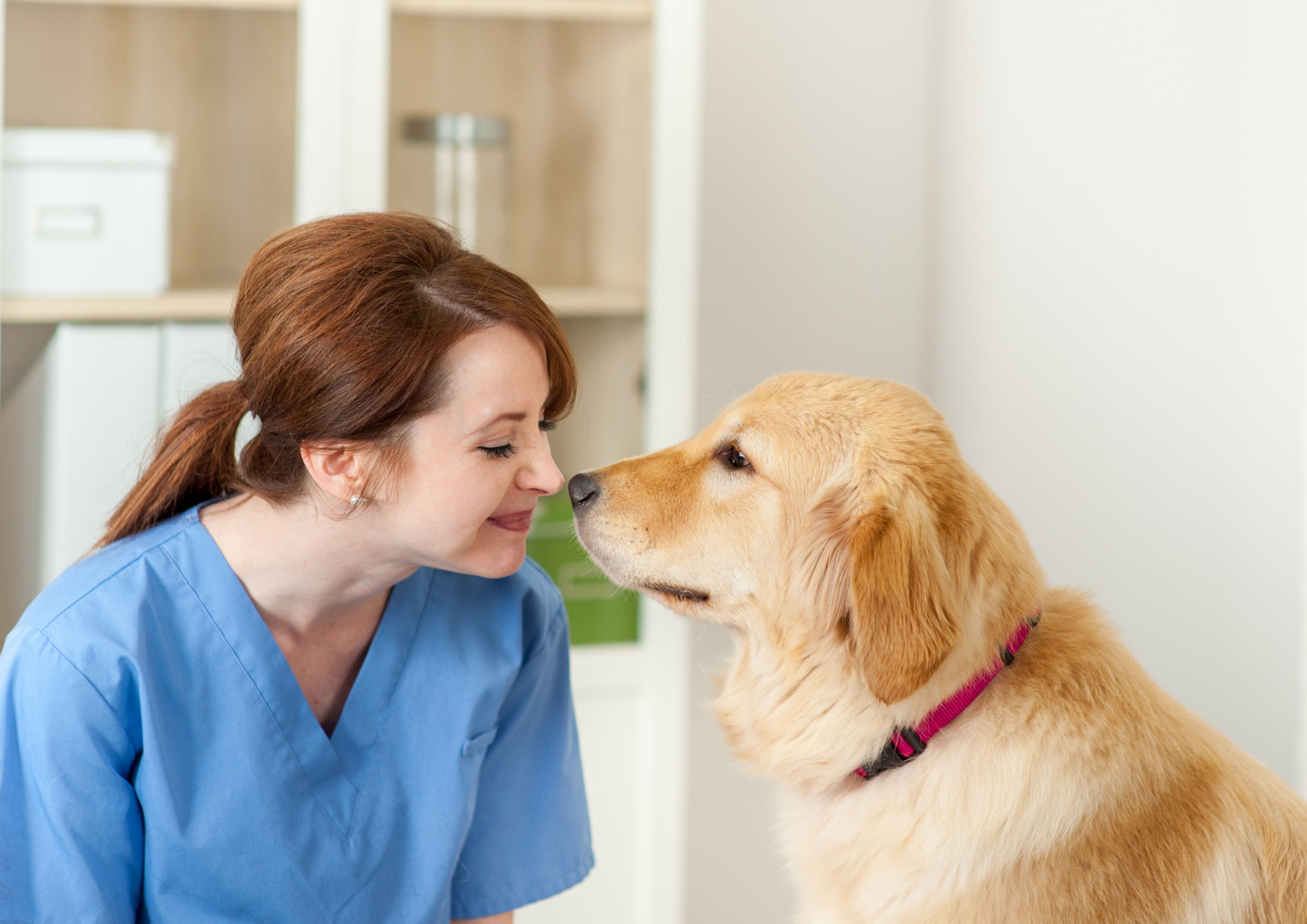
Some stress during your visit to the vet may be expected, but with the right approach, you can set you and your dog up for a successful visit.
Dr. Murdoch suggests calling the veterinarian’s office to give them a heads up about your dog’s behavior. You can even ask for an appointment during a slow, quieter time of the day or week. If you have any calming supplements for your dog, you can also ask your veterinarian if it’s okay to give your dog a dose before your visit.
“Travel and arrival is a good place to start. Spray your car with calming pheromones like Dog Appeasing Pheromones (DAP), and play calming music en-route,” advised Dr. Murdoch. “Call the clinic from your car upon arrival; wait outside or in your vehicle until the exam room is ready for you.”
A professional groomer recommended light exercise when we spoke about preparing a reactive dog for a grooming appointment. Taking your dog on a walk or playing in your yard could help your dog feel calm before heading to the veterinarian. Just make sure you’re not taking your reactive dog on a walk somewhere that might cause more anxiety.
“For choice of vet, look for certified professionals trained in Fear Free principles who use minimal restraint,” Dr. Murdoch suggested.
How to prepare at home for future vet visits

It’s never too late to help your dog feel calmer at the vet. It’s also never too early to start practicing at home. The more comfortable with typical veterinary experiences your dog becomes, the better your outcomes will be.
To prepare at home, Dr. Murdoch suggests performing mock examinations.
“Gently touch your pet’s paws, ears, and teeth at home during calm moments,” he suggested. And if you use a crate or muzzle, Dr. Murdoch said to practice using these tools at home, too.
You can also regularly go through the motions of visiting the vet to help desensitize your reactive dog. If your dog gets nervous simply by going in the car, practice that first with baby steps. Reward your dog when they get in and out of the car with ease. Then try driving around the block. Next time, try driving for a few minutes. Work your way up to driving all the way to the vet.
Then, practice walking your dog around the veterinary office parking lot and perimeter. Then go back home. Try this regularly to help your dog associate pulling into the vet’s office as a neutral task, rather than a frightening and stressful one.
But as many reactive dog owners know, these guidelines are easier said than done. But the more you can practice and work your way toward better experiences, the better off everyone will be. Baby steps can prevent you from forcing your dog into a scary situation.
“There is little point forcing things. You will get it done once but will never be able to go back,” advised Dr. Murdoch.
And if the idea of taking your reactive dog to the veterinarian is stressing you out, Murdoch has one more suggestion: house call visits.
“I’ve done house calls for 13 years. It's far better for these types of dogs.”
While not all veterinarian clinics offer housecalls, it’s worth asking around or searching online for a mobile veterinarian option.
Reactive dogs and the veterinarian: FAQ
Is it possible to take a reactive dog to the vet?
Yes, you can and should take a reactive dog to the veterinarian when they need medical attention or are due for their yearly examination. Reactive dogs may need additional accommodations, so you should always call your veterinarian first.
Why do reactive dogs hate the vet?
Veterinarian clinics can come with a lot of commotion and pheromones left behind from other stressed animals. Plus, many reactive dogs dislike being touched or handled, especially by people they don’t know.
Is it OK to skip yearly exams if my dog is reactive?
All dogs should see the veterinarian on a regular basis. You can discuss your dog’s exact needs with your veterinarian, but it’s generally accepted that all dogs must see the vet from time to time. Don’t skip the visit, but work to make it more comfortable, whether through calming techniques or booking a house call.
Want to learn more about reactive dog training and support? Check out our other articles for more information.
Written by: Macey Wolfer
Macey Wolfer is a freelance writer from Seattle. She wants to see more confident dogs and owners with a lower rate of shelter surrenders.
This content is for educational purposes only and is not a substitute for professional veterinary, behavioral, or training advice.