
Should Reactive Dogs Go to Dog Parks?
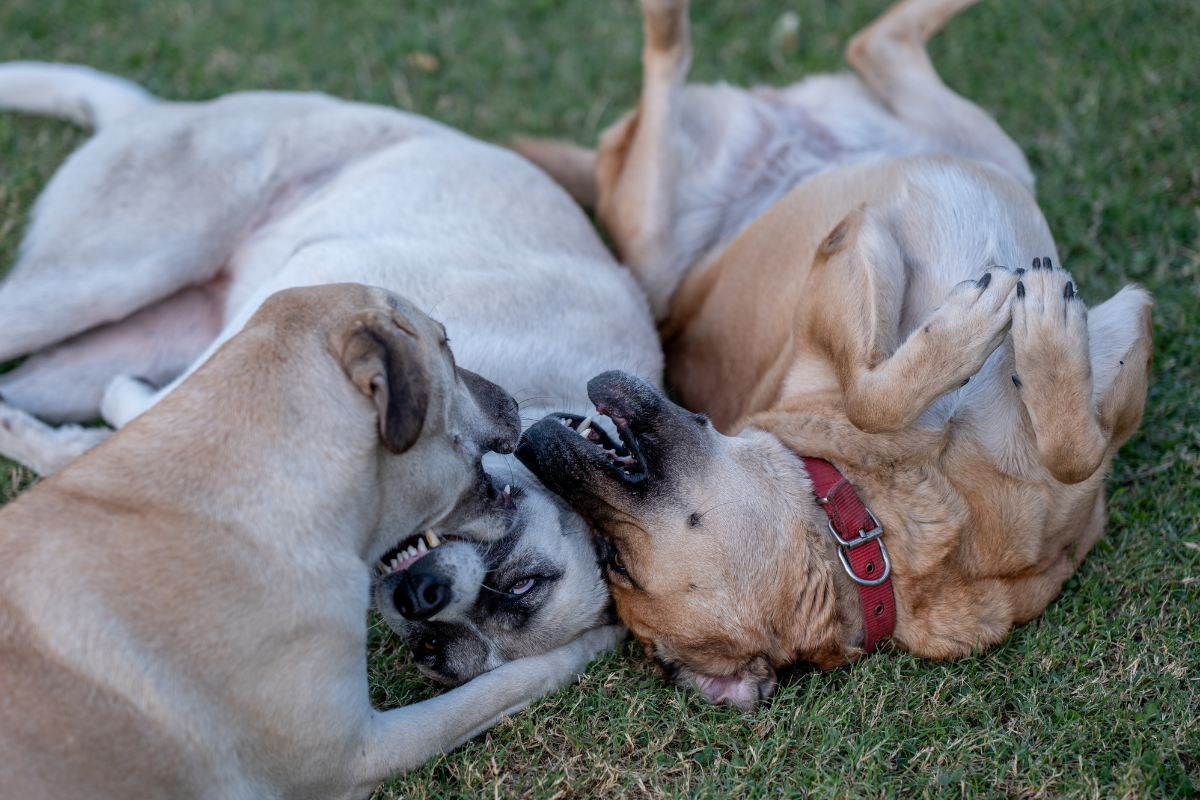
Dog parks are a controversial topic. Some dog owners swear by them for providing a high energy social outlet for their active dogs. Others avoid them like the plague because of potential risks to their dog’s safety and health. The decision to bring your dog to a dog park is a personal one. But in some cases, the decision comes with some extra baggage. That’s why we’re looking at a big question today: should reactive dogs go to dog parks?
The experts I spoke to were both clear in their answers: Reactive dogs should not go to the dog park. It's not worth the risk of potential injuries, fights, or health conditions.
“With a reactive dog, you’ve basically picked the place with the least control. Random dogs, random owners, no control over who runs up to you, and no way to protect the distance your dog needs,” explained Chris Loverseed, founder and head trainer at PK9 Gear.
The dangers of dog parks for reactive dogs
Before diving too deep in the topic, I want to point out that not all dog parks are the same. In my city, there are small dog parks that are the size of an average backyard. And then there are massive dog parks that span acres and allow for much more space between dogs. The key feature is that these spaces are built for dogs to run off leash and generally include fencing to keep all dogs contained.
Some dog parks are bustling all day long with large groups of dogs going in all directions. Others are smaller with few visitors in and out throughout the day. But according to Kaitlyn Azemar CPDT-KA, Dogtopia Canine Behavior Expert Council, “the only safe dog park is an empty one.”
“Dog parks feature uncontrollable, chaotic play, supervised by pet parents. This environment is extremely overwhelming for dogs that struggle with socialization,” explained Azemar. “Most dog parks do not require proof of vaccinations or temperament testing for their attendees, putting your dog at a high risk of contracting communicable diseases or being injured in a dog fight. Considering the amount of alternatives that currently exist for safe play with other dogs, there is no reason to risk the dog park.”
Considering reactive dog owners are typically working on desensitizing their dog to triggers and keeping them in a state of calm confidence, dog parks introduce an unnecessary risk and often put dogs past their threshold before they can even enter the park.
How dog parks trigger and even create reactive dogs
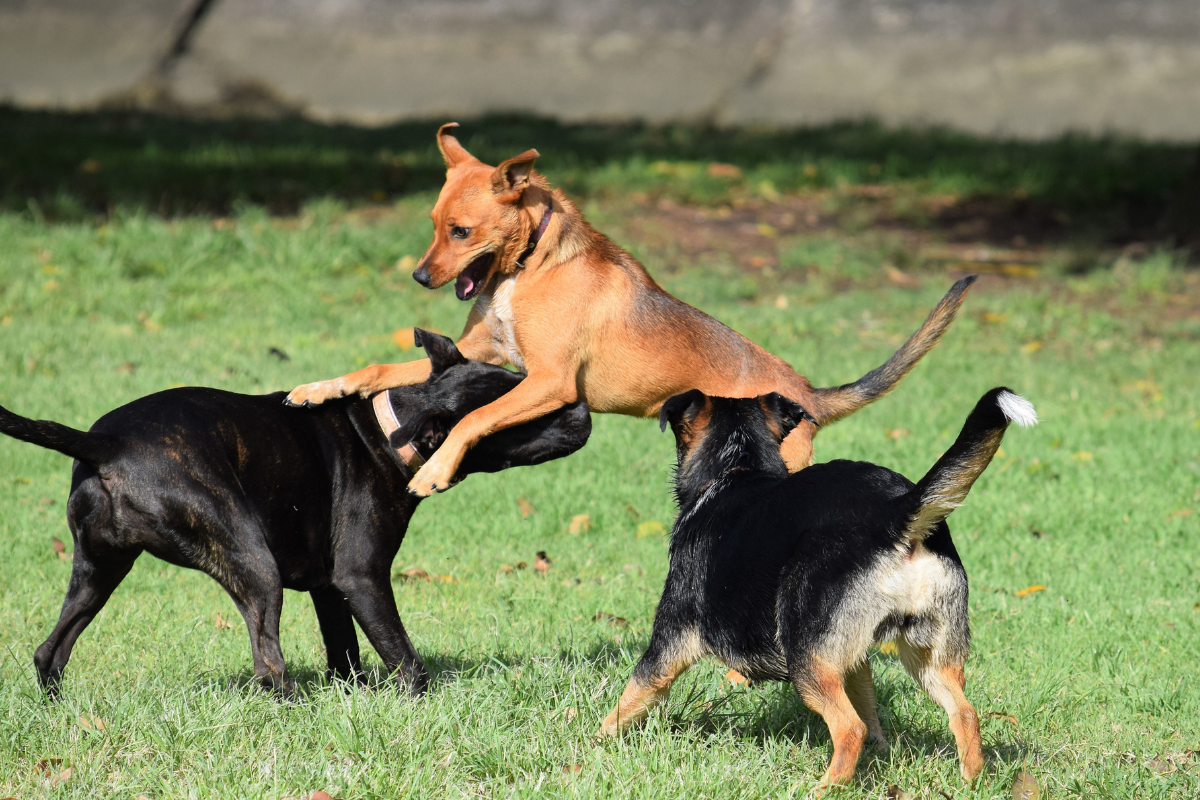
Because dog parks introduce unpredictable experiences, they can easily trigger existing reactive dogs or even create new reactivity in others.
“All it takes is one risky dog in the dog park for a fight to break out. Most pet parents are not highly trained in what to look for, how to safely break up a dog fight, or how to prevent one,” said Azemar.
If your dog has been making improvements with reactivity, one negative experience in the dog park could set back your success. If your dog isn’t reactive, a dangerous and scary experience with another dog can certainly traumatize them and cause lasting reactive effects.
And in some cases, the impacts can be more permanent than triggering reactivity.
“Allowing your dog to interact with dogs with unknown temperament is a huge risk. Dog fights break out in seconds, and if nobody in the park knows how to break it up, it could be a fatal mistake.”
Non-behavioral risks of the dog park
While we've established that dog parks are not safe for reactive dogs, it's worth noting that there are risks that all dogs face at the dog park. Beyond the very real and dangerous risk of dog fights, cleanliness is a huge concern at dog parks.
“Most dog parks do not sanitize their yards, ever,” Azemar told us. “A common and often fatal disease, Canine Parvovirus, can live in the ground for seven years after exposure.
If one dog entered that park sick, the disease can spread to hundreds, if not thousands of other dogs before it goes away naturally, even to vaccinated dogs. Parvovirus requires intense hospitalization to cure, and often leaves its victims with lifelong health issues.”
Azemar also mentioned that water bowls are not cleaned in parks, either. Dirty dog park water bowls can lead to various health issues including canine cough.
Dog park alternatives for reactive dogs
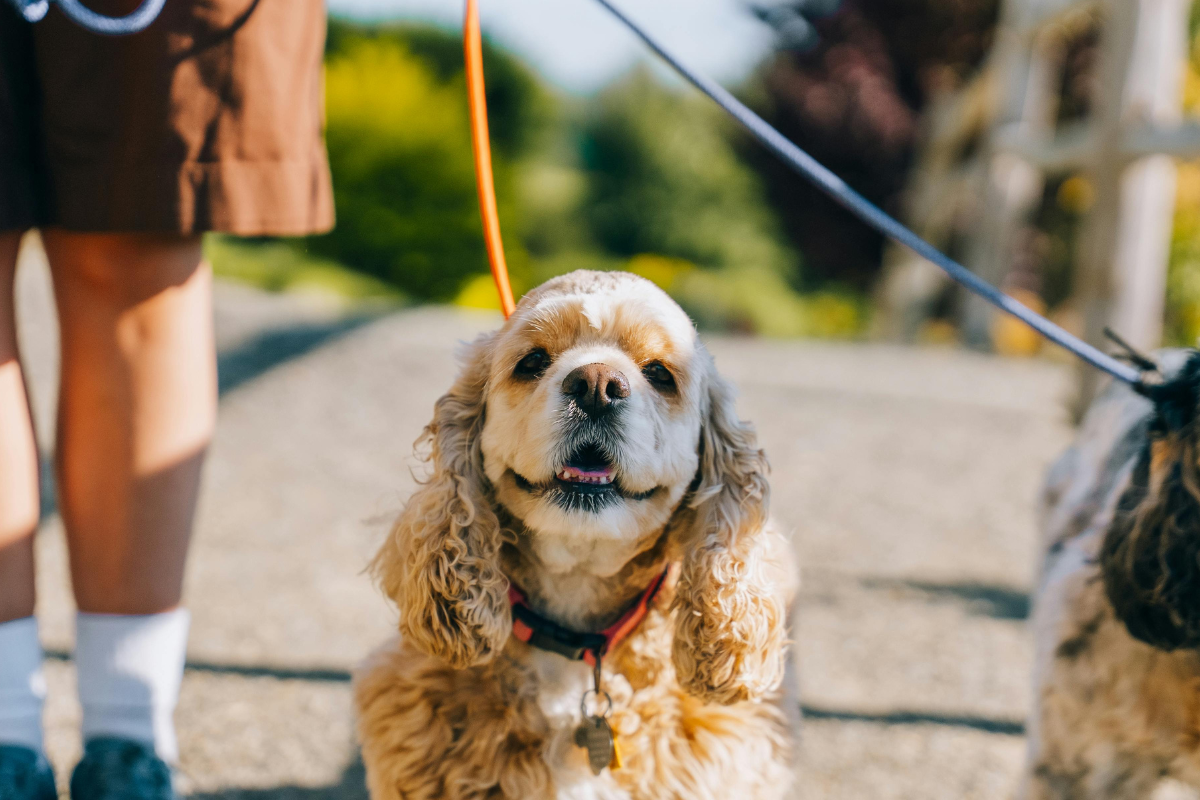
It's understandable that dog owners want to provide a space for their dogs to play, run around and be free. However, it's not worth the risk for reactive dog owners to bring their dog to an uncontrollable environment such as the dog park
For some reactive dog owners, this means longer walks and more mental stimulation in other ways. But for those who still want to give their dog an opportunity to run around, you might have to get creative about finding fenced public spaces that are empty and suitable for dog activities.
Many reactive dog owners opt for booking rentable private dog parks on Sniffspot or through other resources. These provide a safe and secure place for your dog to run around without the risk of other dogs running up to them.
Additionally, you could set up play dates with a trusted dog or group of dogs. By getting together in a controlled environment and thoroughly understanding all of the dog's behaviors, you have a much better chance of leading a successful session. However, keep in mind that all dogs have the potential to get in fights or scuffles with others. It's important to monitor them at all times.
Loverseed also mentioned that reactive dog owners might have success bringing their dogs outside of dog parks and keeping them on the other side of the fence to work on desensitization.
“If it’s fenced, you can stand far enough away that the dog can see other dogs and still think. That’s where you can actually work. Not in the middle of twenty dogs with someone yelling, ‘he’s friendly’ while their dog barrels over,” Loverseed told us.
The bottom line
Dog parks carry risks for all dogs, not just reactive ones. But if you have a reactive dog, your best bet is to avoid being inside a dog park where uncontrollable elements are happening all around. Opt for more contained forms of exercise and socialization to keep your dog safe and happy.
Don’t Worry, He’s Friendly was created to help reactive dogs thrive in the city. Check out our other articles to learn more about reactive dog training.
Written by: Macey Wolfer
Macey Wolfer is a freelance writer from Seattle. She wants to see more confident dogs and owners with a lower rate of shelter surrenders.
This content is for educational purposes only and is not a substitute for professional veterinary, behavioral, or training advice.