
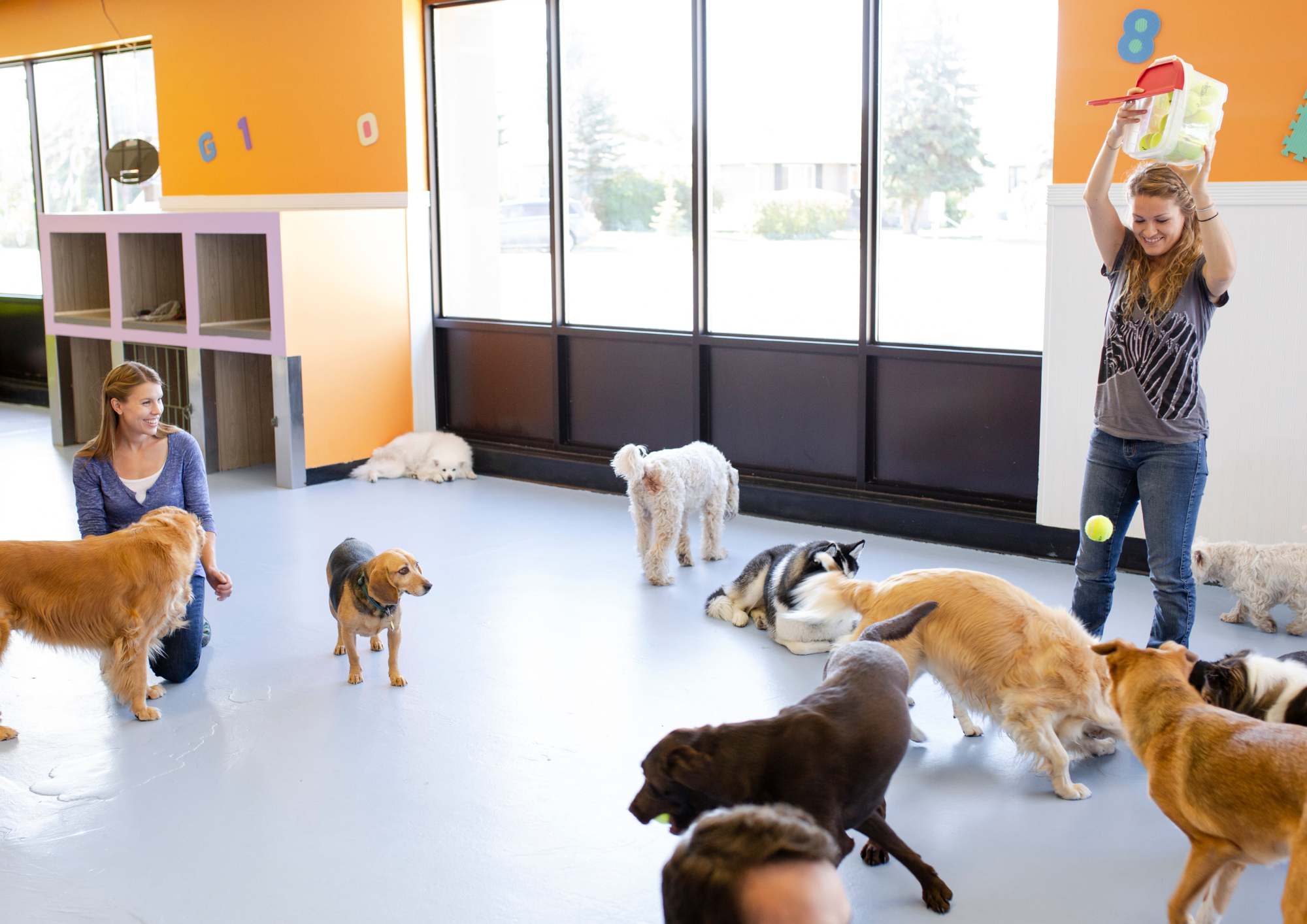
If you have a reactive dog, you might be apprehensive about the idea of switching up your routine and leaving your pet with someone else. But as dog owners, we all have to leave our furry friends behind from time to time. Whether you need someone to watch your dog while you vacation or require supervision daily while you work, you might be wondering if reactive dogs can go to daycare or boarding.
The answer is yes, some reactive dogs can go to daycare or boarding under careful circumstances and with plenty of practice. To find a good match, you’ll need to evaluate the facility and staff, ask specific questions, and clearly communicate your dog’s needs. It’s also beneficial to familiarize your dog with the facility and staff before they require a stay, so the whole experience feels more comfortable.
But it’s important to recognize that “reactive dog” is not a one-size-fits-all term, and as such, everyone will have different experiences based on their dogs’ unique needs. Some dogs might be better off never going to a boarding or daycare facility, whereas others may find the perfect match for their needs.
“Two dogs described as reactive may have very different needs, triggers, coping skills, and comfort levels,” explained Leah Bornstein, a Certified Dog Behavior Consultant (CDBC) and founder of Born to Be Dog Training. “Understanding what's driving that response is incredibly important when considering care arrangements. I wouldn't automatically rule out daycare or boarding, but I also wouldn't assume a facility is appropriate simply because they're willing to accept a reactive dog. A lot depends on the individual dog, the environment, the staff's experience, and what humane accommodations can realistically be provided.”
At-Home Sitter vs. Daycare or Boarding for Reactive Dogs
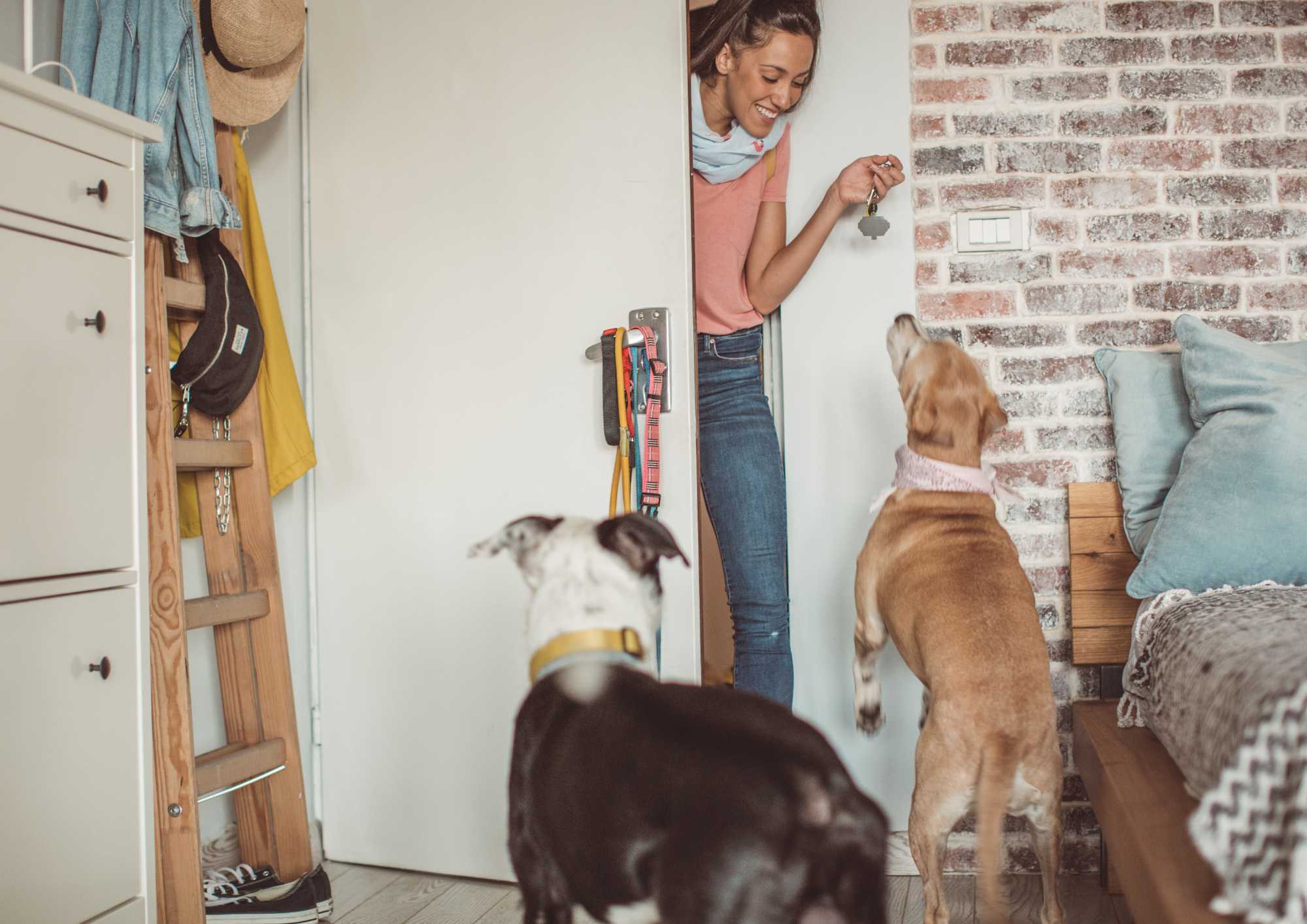
“Reactivity isn’t one-size-fits-all, and while some dogs can thrive in a structured group setting, others may be better suited to a quieter environment or individualized care.”
A trusted home sitter can be incredibly useful for reactive dog owners, as the sitter can build a relationship with your pet in a familiar environment. Hiring an at-home sitter means someone will come and stay in your house – whether full time or for regular check-ins – to care for your pet. But there are plenty of reasons an at-home sitter might not be in reach. Maybe you haven’t found a good contender, or you simply don’t want others in your home. Whatever the case, there are important factors to consider if you choose to board or go to daycare instead.
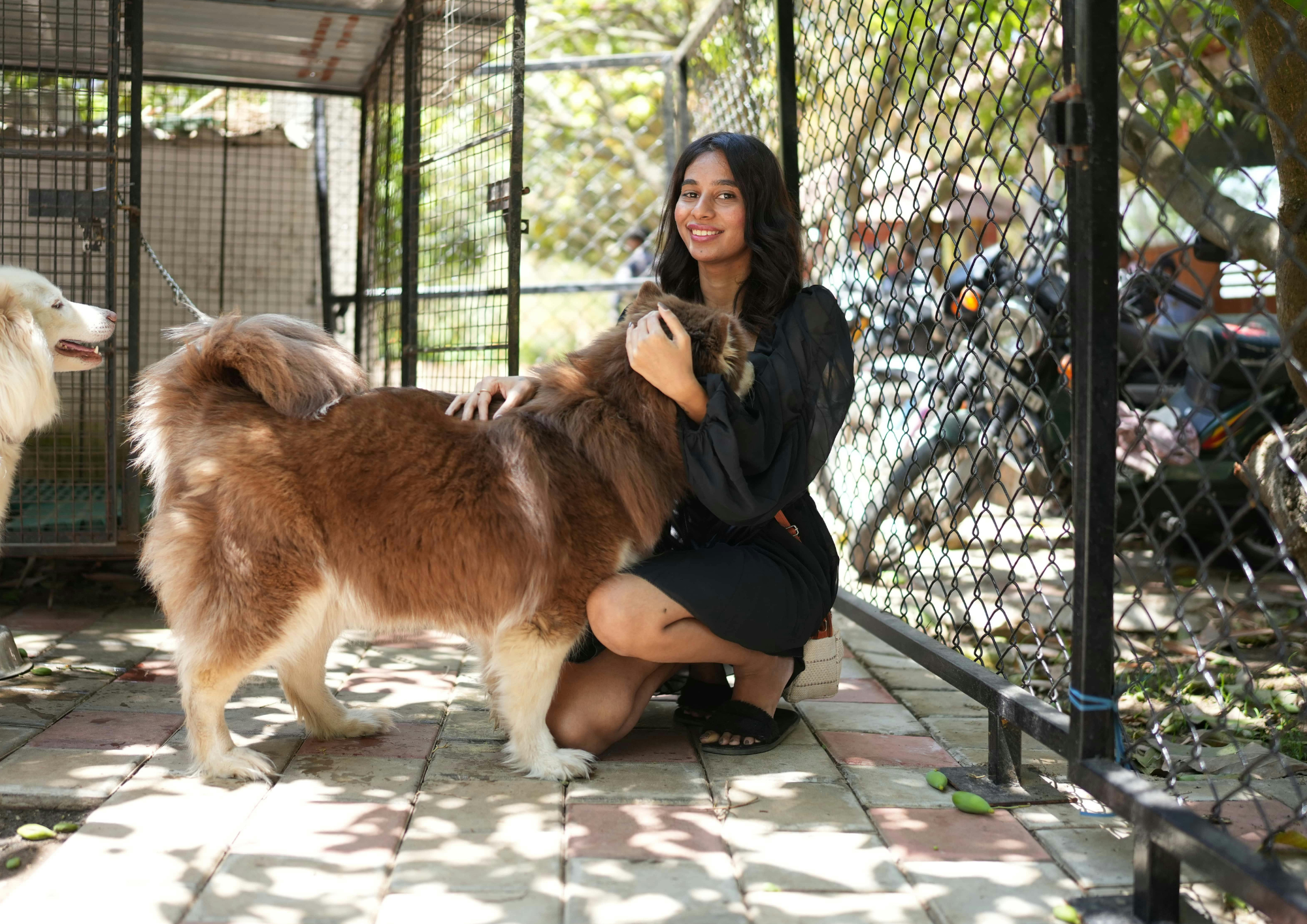
A boarding facility is more like a hotel for dogs. It can either be a commercial space or a private home where dogs stay overnight. Many facilities host several dogs at a time, but there are also solo boarding options available.
Daycare facilities function similar to daycare centers for children. They provide a structured environment for dogs to socialize, play, and hang out while their owners are away. Daycare facilities are for daytime supervision and require drop offs and pick ups.
“An at-home pet sitter isn't necessarily the only option. The right daycare or boarding facility, with experienced staff who understand canine behavior, can make a significant difference,” explained Mike Gould, founder of Hounds Town USA and a certified canine trainer.
“I encourage owners to ask how a facility evaluates temperament, determines appropriate playgroups, supervises interactions and recognizes when intervention is necessary. Reactivity isn't one-size-fits-all, and while some dogs can thrive in a structured group setting, others may be better suited to a quieter environment or individualized care. The goal is to understand each dog's individual needs rather than automatically ruling out daycare or boarding because of a behavioral label,” he told us.
How to choose the best care option for your reactive dog while you’re away
It’s stressful figuring out who can watch your reactive dog while you’re away. Many owners find more success by having a plan ahead of time, so when they actually need to use services, they will have a trusted person or facility ready to go. You can arrange practice sessions, meet and greets, and other ways to desensitize your reactive dog to the new environment so future stays can be less stressful.
Bornstein noted that there are several types of reactivity, and some work better than others for daycare or boarding.
“Reactivity can come from different emotional places. We have eustress, which is positive stress associated with excitement or anticipation, and distress, which is negative stress associated with fear, anxiety, or discomfort. Some dogs are frustrated greeters—they LOVE other dogs but become frustrated when restrained by a leash and unable to say hi. Their barking and lunging may involve excitement and frustration rather than fear. That doesn't automatically mean they'll do well in group play, though. They may come on too strong or struggle to manage their excitement.
On the other hand, dogs reacting out of fear, anxiety, or distress may feel threatened by unfamiliar dogs, people, or environments. When they feel overwhelmed, trapped, or unable to create distance, the risk of defensive behavior, including biting, can increase. This distinction matters because two dogs displaying very similar behaviors may need completely different care arrangements,” Bornstein explained.
How to talk to daycare or boarding facilities about your reactive dog
“ Choosing the right care setting is an important part of advocating for your dog, and sometimes the kindest decision is finding an option that better meets their specific needs.”
To better advocate for your dog, it’s always important to be honest. Misleading others about their behavior can lead to serious consequences, including unexpected bites and aggression that can put humans and your dog at risk. As we heard in our piece about grooming reactive dogs, being honest about your dog’s behavior is crucial for the safety of everyone involved.
Lorraine Rhoads, Director of Health and Safety at Dogtopia, recommends being completely honest and thorough when discussing your dog’s behaviors and triggers.
“Ask questions about the caregiver's experience with reactive dogs, their approach to introductions, their supervision practices, and how they manage situations that may be stressful for your dog,” suggested Rhoads. “If you are considering daycare or boarding, schedule an evaluation well before you need care, and look for a provider that takes the time to understand your dog rather than making promises before meeting them. A responsible caregiver should be willing to discuss whether their environment is a good fit, explain their safety protocols, and recommend an alternative if your dog would be more comfortable elsewhere. Choosing the right care setting is an important part of advocating for your dog, and sometimes the kindest decision is finding an option that better meets their specific needs.”
Bornstein echoed these sentiments, recommending owners ask plenty of questions to develop a clear picture of what their dog’s experience might look like. “Ask plenty of questions about how the facility operates, what handling methods staff use, how dogs are managed around one another, and how staff recognize and respond to stress.”
She also recommended asking for details on what a dog’s day might look like, noting that traditional kennel environments with barking and constant activity can be a lot for some reactive dogs. Additionally, Bornstein emphasized the importance of understanding the human component.
“Is your dog comfortable being approached, leashed, handled, or moved by someone they don't know? How experienced are staff in recognizing subtle signs of stress, respecting a dog's communication, and supporting dogs with stranger danger or handling sensitivities? What happens if your dog is too frightened to leave their kennel or becomes defensive when someone approaches? What kind of equipment do they use on your dog (slip leads, owner-provided harnesses, etc)? I'd want to know whether the facility can meet those needs without compromising the dog's welfare or anyone else's safety, and what their plan is if the arrangement isn't working,” Bornstein told us.
Final thoughts on daycare or boarding for reactive dogs
Because all reactive dogs are different, it’s important to know that there’s no one-size-fits-all solution to boarding them. But the most success will come from actively seeking out a space that fits their needs. This can be accomplished by asking crucial questions, visiting the space, and familiarizing your dog with the space before they need to stay.
Some dogs will do better with an individual pet sitter that can come into the space and spend time directly with them. This eliminates many triggers, from other dogs to loud noises, unfamiliar smells, and everything in between.
Don’t Worry, He’s Friendly is a resource for reactive dog owners with expert-backed articles to empower your success. Check out our other articles to learn more about reactive dog training.
Written by: Macey Wolfer
Macey Wolfer is a freelance writer from Seattle. She wants to see more confident dogs and owners with a lower rate of shelter surrenders.
This content is for educational purposes only and is not a substitute for professional veterinary, behavioral, or training advice.